


3 Types of Eye Doctors and What They Do
Published on October 31st, 2025
 Canada
The three types of eye doctors may include an ophthalmologist, optometrist and optician. It is important to note that opticians are not considered eye doctors. Ophthalmologists are primarily considered medical eye doctors, with optometrists also often referred to as eye doctors in Canada. An optometrist and optician may commonly be grouped in the same category as ophthalmologists. However, optometrists and opticians have different qualifications. This article will cover more information about the differences between an optometrist vs ophthalmologist vs optician.
The types of eye care professionals include an ophthalmologist, optometrist and optician. These are all considered eye care professionals, however, significantly differ in qualifications and the nature of their roles. The types of eye care professionals and their definitions are listed below
- Ophthalmologist: An ophthalmologist is a medical doctor who specialises in diagnosing, treating and managing eye diseases and eye disorders.
- Optometrist: An optometrist is an eye care professional who is qualified to examine, diagnose eye diseases and eye disorders and prescribe certain eye medications and other vision aids.
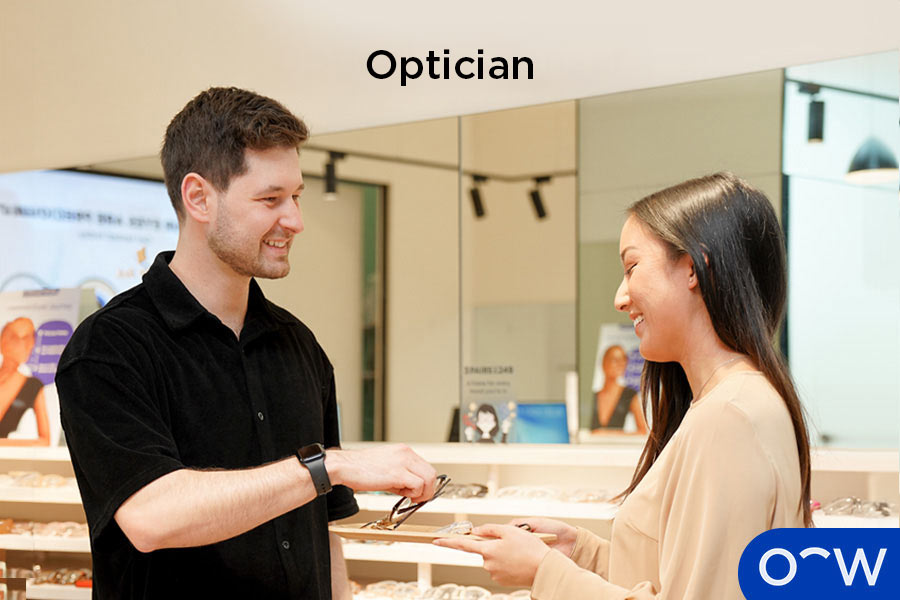
- Optician (Optician): An optician is also an eye care professional who is trained to interpret prescriptions provided by optometrists, fit and dispense glasses.
1. Ophthalmologist
An ophthalmologist is a medical eye doctor who is qualified and trained to diagnose, treat and perform surgeries on eye diseases and disorders. Ophthalmologists are required to complete an additional 5 years of specialised training after becoming a doctor. Ophthalmology is defined as a branch of medicine that revolves around the specialised treatment and diagnosis of eye diseases and disorders. While ophthalmologists and optometrists often work close together, the more advanced level of training that ophthalmologists have is what separates optometrists and ophthalmologists.
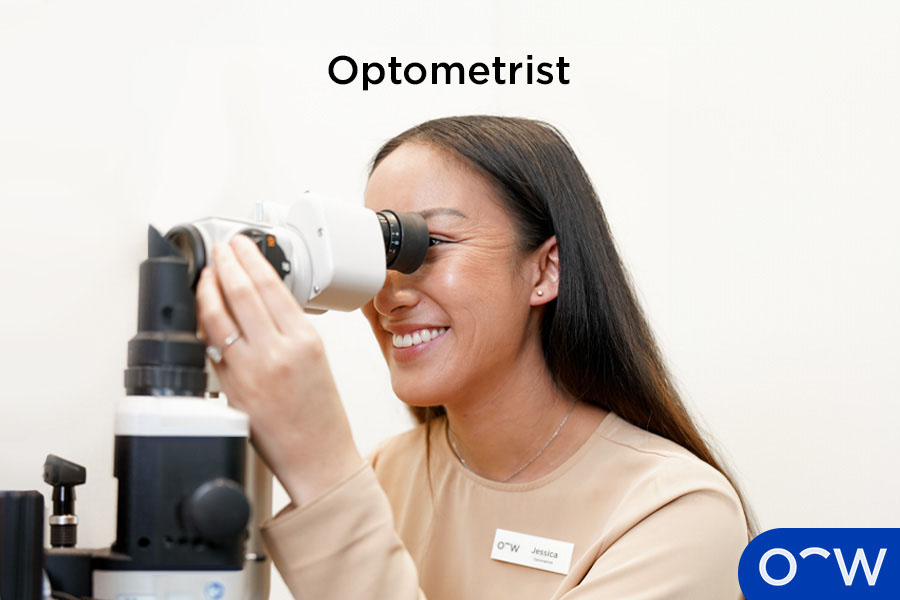
2. Optometrist
An optometrist is responsible for examining a patient's eyes and assessing their vision. They are qualified to prescribe a range of therapeutics, which can be in the form of eye drops as well as glasses for vision correction and are trained to diagnose a range of eye conditions. Optometrists receive their post-graduate Doctor of Optometry (OD) after completing a bachelor’s degree in university. After completing a doctorate degree, students must take and pass the National Board of Examiners in Optometry exam (NBEO). This is followed by an additional year to complete a one-year residency program to receive advanced clinical residency training in their desired area of specialization in order to get their license. Optometry is defined as the healthcare profession that involves examining the eye for signs of eye problems and regular maintenance and monitoring of eye health.
3. Optician
An optician is an eye care professional who is required to complete a qualification in dispensation glasses and supervised placement. They are trained to design suitable glasses for patients, can provide advice on selecting the right pair and how to maintain them.
What is an Eye Doctor?
An eye doctor may refer to an Ophthalmologist or an Optometrist. An ophthalmologist is a medical doctor qualified and trained to diagnose and treat complex eye diseases and disorders. After earning their bachelor’s degree, student optometrists need to attend a recognised optometry school to complete a four-year Doctor of Optometry program, followed by a licensing exam.
How are Eye Doctors in Canada Regulated and Licensed to Practise?
Eye Doctors in Canada are regulated and licensed to practise by passing a national board exam that assesses their knowledge and clinical skills. They may also go for additional certifications or specialization in areas such as low vision rehabilitation, sports vision, or ocular disease management.
How to Know What Type of Eye Doctor You Need?
To know what type of eye doctor you need can include knowing your vision condition, familiarising yourself with common symptoms, understanding the difference between an optometrist and an ophthalmologist and consulting with your local GP. However, your specific condition and its severity are important factors and will generally require attention from an optometrist or your GP first to be referred to an ophthalmologist. If your condition does not require further assessment or treatment from an ophthalmologist, then you may stay under the care of your optometrist. The steps to know what type of eye doctor you need are listed below.
- Know Your Vision Condition: Knowing your vision condition, such as whether you require prescription glasses or not, and making a note of what symptoms you may be experiencing.
- Familiarise Yourself With Common Symptoms: Familiarise yourself with common symptoms of eye problems such as pain, blurry vision, light sensitivity, eye swelling, redness and irritation so you know when to seek medical assistance.
- Understanding the Difference Between an Optometrist and Ophthalmologist: Understanding the difference between an optometrist and an ophthalmologist is important to knowing what type of eye doctor you need, as not all cases of eye problems require the assistance of an ophthalmologist. An optometrist is qualified to diagnose and treat several different eye conditions.
- Consult with Your Local GP: Consult with your local GP to get a professional recommendation on the next steps for your vision condition. They will be able to direct you to either an optometrist or an ophthalmologist, depending on the condition you have.
How Can Oscar Wylee Help Find the Right Eye Specialist For You?
Oscar Wylee can help find the right eye specialist for you when you come into one of our stores for a comprehensive eye exam. From there, independent optometrists at Oscar Wylee will be able to evaluate whether your eye condition requires further assessment and treatment from an eye specialist. Oscar Wylee is an eyewear company that is dedicated to caring for your eye health, providing high-quality eye care and eyewear.
What Eye Problems Do Eye Doctors Treat?
Eye doctors can treat eye problems that can lead to vision impairment or blindness, which can include glaucoma, cataracts, age-related macular degeneration, diabetic retinopathy and retinal detachment. The eye problems that eye doctors treat are listed below.
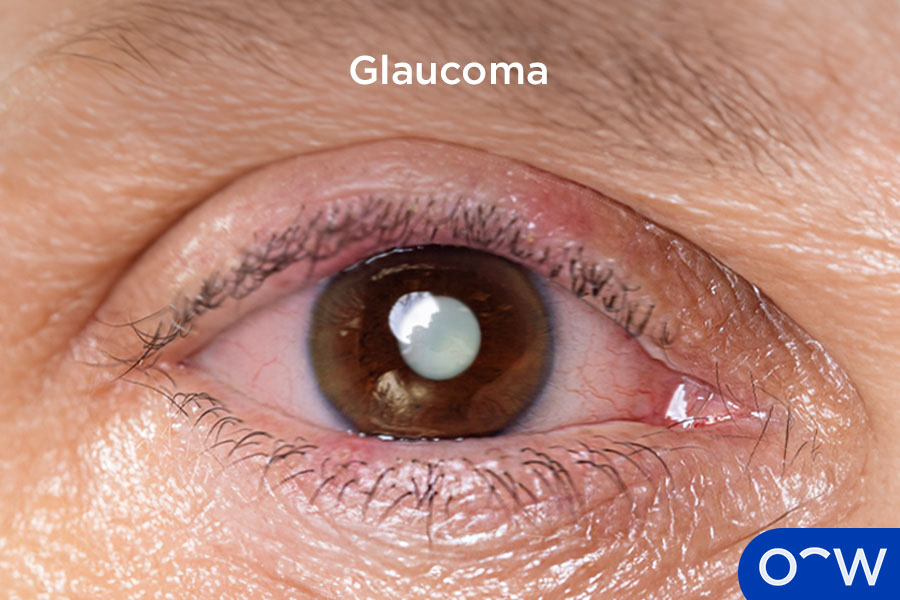
- Glaucoma: Glaucoma is the term used to describe a group of eye diseases that cause irreparable vision loss caused by damage to the optic nerve. Optic nerve damage can stem from increased pressure in the eye, eye trauma or eye diseases. Glaucoma symptoms may include loss of peripheral vision, blurry or hazy vision, seeing halos around lights and eye pain or pressure.
- Cataracts: Cataracts are a common eye problem associated with increased age and lead to the development of a cloudy lens as a result of proteins in the lens clumping together. The risk of cataracts increases with age due to the lens naturally breaking down as you get older. Cataracts may not present symptoms at first; however, as your condition progresses, you may experience light sensitivity, reduced night vision and blurry or clouded vision.
- Age-Related Macular Degeneration: Age-related macular degeneration (AMD) is an eye condition that can cause loss of central vision. The two types are wet age-related macular degeneration and dry age-related macular degeneration. Wet AMD can lead to a faster loss of central vision and is considered the most serious form. This can occur as a consequence of abnormal blood vessels growing into the macula, causing blood and fluids to leak. Dry AMD is the most common type and causes a slower loss of vision, and can stem from the gradual loss of cells in the retina. Symptoms can include difficulty reading even with prescription glasses, wavy lines appearing bent, dark patches in central vision, difficulty making out faces and poor night and colour vision.
- Diabetic Retinopathy: Diabetic retinopathy is an eye disorder that can result in vision loss or blindness in patients with diabetes. Patients may have an increased risk of developing diabetic retinopathy when there is too much sugar in the blood or from having diabetes over a long period of time. This can cause damage to the small blood vessels in the retina. The retina's small blood vessels may leak blood and other fluids, which can lead to retinal swelling. Other causes, such as high blood pressure or high cholesterol in combination with diabetes, can also increase your risk of diabetic retinopathy.
- Retinal Detachment: Retinal detachment is considered an eye emergency that occurs when the retina pulls away from the blood vessel layer, which supplies it with nutrients and oxygen. The symptoms of retinal detachment can include an increase of floaters, light flashes and a curtain-like shadow in your peripheral vision or central vision. It is important that you seek medical assistance right away if you experience these symptoms.
What Type of Doctor to See for Astigmatism?
The type of doctor to see for astigmatism may be an optometrist, as it is a refractive error; in some severe cases where astigmatism may be caused by an underlying eye condition, your optometrist may recommend an additional assessment with an ophthalmologist. They can professionally assess your vision and provide a referral for an ophthalmologist. However, Astigmatism is a common form of refractive error that can usually be managed by an optometrist.
What Type of Eye Doctor to See For an Eye Infection?
The type of eye doctor to see for an eye infection is an optometrist or your local GP. An optometrist is not an eye doctor; however, they are qualified to diagnose and treat eye problems such as eye infections. They may prescribe eye drops that specifically target the cause of symptoms, such as antibacterial eye drops if the infection stems from bacteria. If your condition persists or is recurring, you may be directed to an eye doctor for further assessment.
When Should You Have Your Eyes Examined by an Eye Doctor?
You should have your eyes examined by an eye doctor, depending on the age category, which includes children, young adults, adults and seniors. The frequency of having your eyes examined by an eye doctor according to each age category is listed below.
- Children: Children around the ages of 3-5 and up should have their eyes examined by an optometrist every 1-2 years if there are no issues or signs of problems.
- Young Adults: Young adults around the ages of 18-29 should get their eyes examined once every 2 years unless their optometrist advises otherwise.
- Adults: Adults around the ages of 30 and up should get their eyes examined once a year or every 2 years, depending on the condition of their vision. Eye problems may likely appear around mid to late 40s. Therefore, it is important to stay on top of regular eye exams, especially at these ages.
- Seniors: Seniors around the ages of 65 and over should have their eyes examined at least once every year and depending on the health of their eyes and vision.
What are the Signs that You Need to Visit an Optometrist?
The signs that you need to visit an optometrist can include experiencing symptoms such as eye pain, blurred vision, redness and excessive tearing. If the optometrist identifies signs of a more complicated issue, you may likely be referred to an eye doctor/ophthalmologist. The signs that you need to visit an optometrist are listed below.
- Eye Pain: Eye pain is a common sign that you need to visit an optometrist and can stem from several different types of eye problems. You may experience eye pain as a result of an eye injury, eye infection or eye inflammation. Therefore, it is important to have your eyes checked to make sure there are no underlying issues.
- Blurred Vision: Blurred vision can be a sign that you need to visit an optometrist and can develop as a result of many different eye conditions. Blurred vision can be described as vision that lacks clarity and sharpness. An optometrist may likely carry out an eye exam to identify the cause and ask you about your medical history.
- Redness: Redness is another common sign that you may need to see an optometrist for, as it can be an indication of many types of major or minor eye problems. Therefore, it is recommended to have an optometrist professionally rule out any serious conditions. Common causes of eye redness can include inflammation or infection of the eye, an eye injury, trauma or allergies.
- Excessive Tearing: Excessive tearing may be a sign you need to get your eyes checked by an optometrist, as it could be an indication of allergies, an infection, scratches in the eye or a foreign object in your eye. The optometrist will be able to treat these issues safely and prescribe treatment if necessary.
The signs you need to visit an optometrist can include experiencing symptoms such as eye pain, blurred vision, redness in the eye and excessive tearing. It is important to note that these are just some of the most common symptoms that can arise as a result of many different eye conditions. Therefore, it is recommended to visit an optometrist once every two years unless advised otherwise by an optometrist or once every year if you are 65 years old or older.
What is the Difference Between an Optometrist and an Ophthalmologist?
The difference between an optometrist vs ophthalmologist is their education, qualifications and training. Optometrists are registered healthcare professionals who are trained to evaluate vision, prescribe glasses, and diagnose and treat a range of eye conditions. They have university qualifications. Ophthalmologists are medical doctors who specialize in the management and treatment of eye diseases. They were required to complete additional training after completing their medical degree and basic training. They typically handle eye diseases such as cataracts, glaucoma, partial or complete loss of vision or vision irregularities, retinal abnormalities, eye injuries or inflammation. The difference between an optometrist and ophthalmologist also allows them to work together as an eye care team to provide care to patients that the other cannot.
Read 3 Types of Eye Doctors and What They Do in other Oscar Wylee regions and their languages.
Canada